How chronic stress becomes a personality
 David Genecand
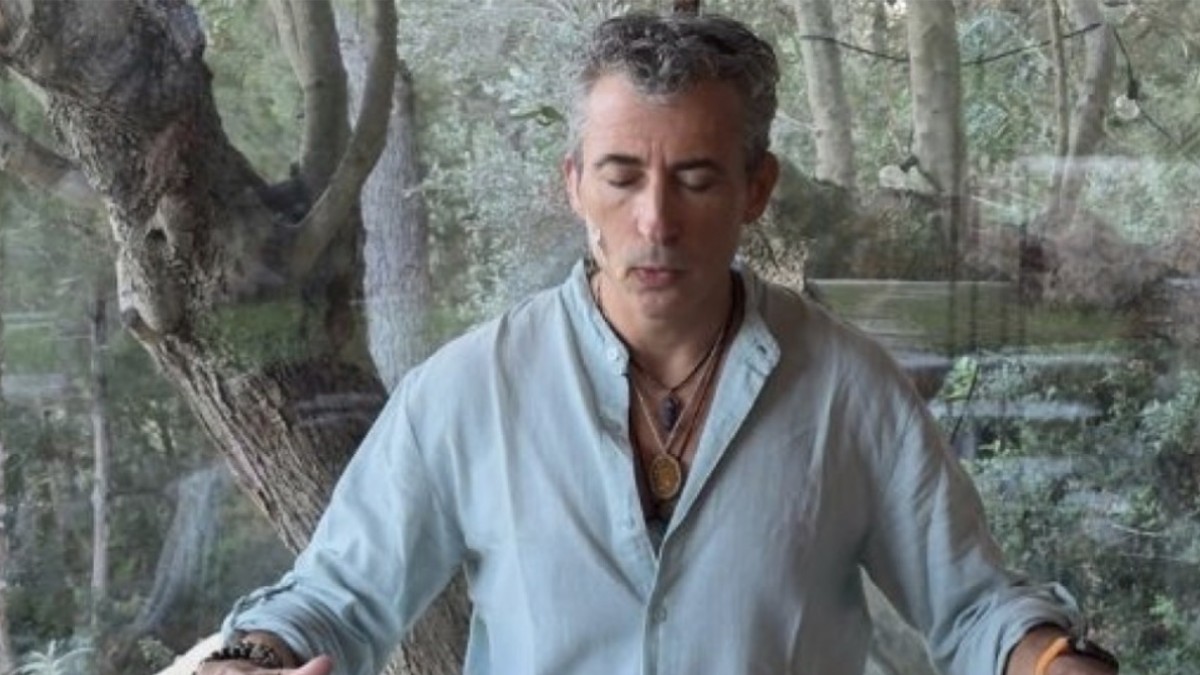
Chronic stress doesn’t always look dramatic. It often looks productive, responsible, high-functioning — even admirable.
Chronic stress doesn’t always look dramatic. It often looks productive, responsible, high-functioning — even admirable. Over time, what began as a survival response can quietly shape how you think, feel, relate, and lead. Many people don’t realize they’re living in a stress-adapted identity because it feels like “just who I am.” But chronic stress and the nervous system are deeply intertwined, and when stress becomes constant, it can start to define your personality.
Understanding how chronic stress becomes a personality is the first step toward nervous system regulation, emotional resilience, and reclaiming your authentic self.
The nervous system under chronic stress
Constant stress keeps the nervous system activated for long periods. Instead of transitioning easily from stress to recovery, our bodies will remain in "fight or flight" states or "functional freeze." As a result, cortisol (a stress hormone) remains in the bloodstream for long periods, heart rate variability decreases, and the capacity for rest and recovery (the parasympathetic) will deteriorate in the body.
When the state of chronic stress occurs over an extended period of time, there is no longer an awareness that this is a temporary state. It becomes a part of the accepted reality. The body becomes accustomed to functioning with urgency, hypervigilance, and suppressed emotions. What was once a means of protection has now become the norm in which we live.
Over months or years, this dysregulated stress response can shape how you interpret situations, how quickly you react, and how safe you feel in your own body. The nervous system begins filtering reality through survival.
Explore Bespoke Metamorphosis - a chance for you to return to yourself, to calmness, gently.
When coping mechanisms turn into identity
Coping mechanisms can become ingrained patterns of behavior due to long-term exposure to stress. Hyper-independence can be seen as a strength, while over-working can be thought of as ambition, and emotional numbness can be seen as rationality, etc.
These behaviors may have originated from being perceived as intelligent adaptations based on past experience. When you were younger, if you felt unsafe when you slowed down and relaxed, you stayed busy to protect yourself. Or, when you expressed emotions and were rejected, you learned to suppress your emotions. Since your brain has created these patterns, it will repeat them for your protection.
Eventually, you may say, “I’m just anxious,” “I’m just intense,” or “I’ve always been this way.” But chronic stress doesn’t just affect mood — it shapes personality expression. The line between who you are and how you adapted becomes blurred.
You can also read: The 5 most common TRAPs (and how to spot yours)
Signs stress has become your default state
Chronic stress can change a person’s personality. It will often result in you experiencing restlessness, discomfort with silence and productivity as a source of self-worth. Other indicators include difficulty relaxing, shallow breathing, tension in the body, irritability and loss of connection to joy, as well as urgency in making decisions as opposed to grounded decision makers, and also feeling no satisfaction with your accomplishments because your nervous system remains on high alert (i.e., survival mode).
This is not an inherent flaw of character; it’s a dysregulated response to stress, which your body has learned is safer than remaining alert.
Reclaiming your authentic self through nervous system regulation
The good news is that a personality shaped by chronic stress is not permanent. With consistent nervous system regulation practices — such as breathwork, somatic awareness, mindful movement, and intentional rest — the body can relearn safety.
As parasympathetic tone strengthens and heart rate variability improves, emotional resilience increases. You may notice more patience, deeper breathing, clearer thinking, and a greater capacity for connection. These qualities aren’t new — they were just overshadowed by stress adaptation.
Healing chronic stress isn’t about becoming someone else. It’s about disentangling who you truly are from who you had to be to survive. When the nervous system feels safe, authenticity naturally returns — not as performance, but as presence.
If this resonates with you, don’t hesitate to book a free consultation today.
Also, we invite you to follow us on social media, check our instragram and our facebook page for more information. And check all our blog post content here.
