How to recognize when you’re trapped in a TRAP (Traumatic Reactive Automatic Pattern)
 David Genecand
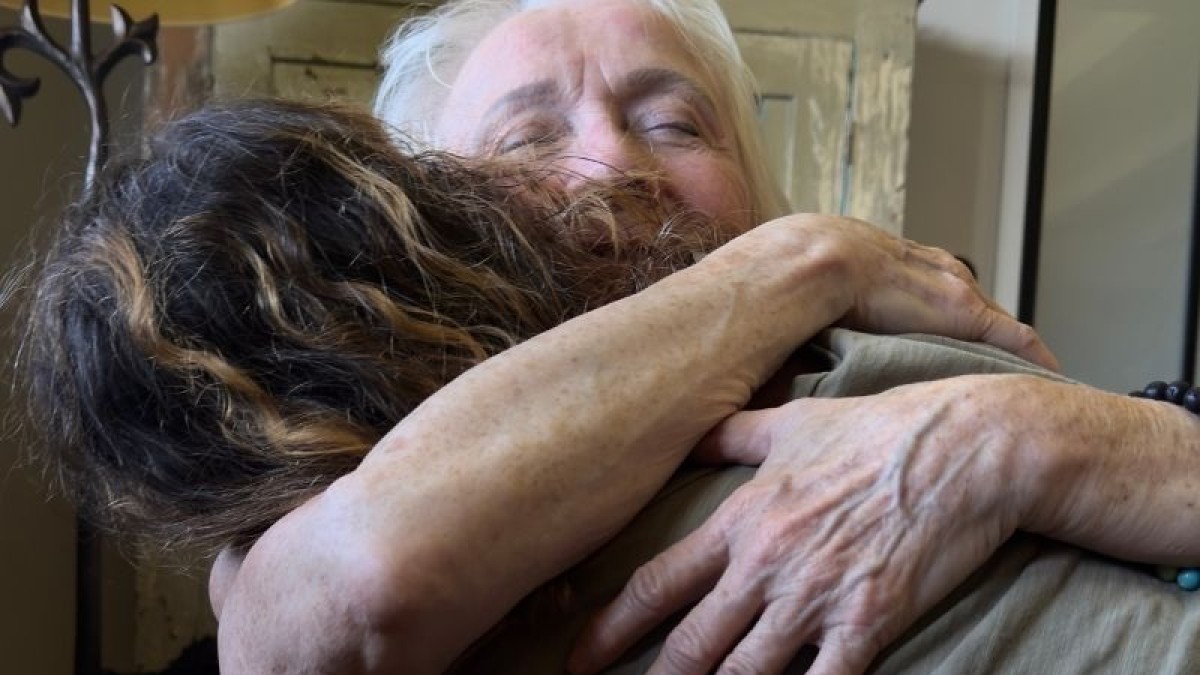
You’re not broken. You’re patterned. And patterns can be rewritten.
You know that moment when you react before you even think — a look, a tone, a pause — and suddenly you’re explaining yourself, defending, or quietly disappearing? That’s not weakness. That’s a TRAP.
A TRAP — Traumatic Reactive Automatic Pattern — is a survival mechanism created by your nervous system to keep you safe from emotional pain.
It forms in the moments you didn’t have the tools, safety, or permission to fully feel what was happening. So your system found a workaround — a pattern that helped you cope.
Over time, that protection became automatic. It now lives in your body like a reflex.
It's time to break free from your TRAPs. Book a consultation here.
How TRAPs show up in everyday life
TRAPs are masters of disguise. They don’t always look dramatic — often they hide beneath normal behaviours that seem “responsible,” “strong,” or even “spiritual.”
Here are some common ones:
The Defender: you tense up, justify, or explain yourself before anyone’s even questioned you.
The Pleaser: you agree, soften your tone, or offer help just to keep peace.
The Withdrawer: you go quiet, distracted, or tired right when something emotional surfaces.
The Angry: you lash out, blame, or control to avoid feeling hurt or powerless.
The Overthinker: you analyse everything instead of feeling anything.
The Busy One: you fill every space with tasks, movement, or care for others.
Each one once had a purpose — to protect you from rejection, fear, sadness, shame, or loneliness. They were brilliant strategies then. They just don’t fit anymore.
The loop
Every TRAP follows the same cycle: a trigger → automatic reaction → temporary relief → guilt or emptiness → another trigger.
The pattern repeats, not because you’re broken, but because your system believes it’s keeping you safe. It doesn’t know the danger has passed.
You might like to read: How the nervous system rewrites your reality (and how to rewrite it back)
How to recognize you’re in one
You know you’re in a TRAP when:
Your reaction feels faster than thought.
You feel tightness, heat, or a familiar drop in your stomach.
You notice yourself saying “here we go again.”
You feel both justified and uneasy at the same time.
The moment you see it happening, you’re already doing something different. That gap — that flash of awareness — is where freedom begins.
Feeling differently is possible with Bespoke Metamorphosis. Learn more here.
What TRAPs are really protecting
Underneath every TRAP lives a root emotion — sadness, fear, anger, or sometimes joy that was never safe to express. The TRAP isn’t the problem; it’s the guard at the door. It says: “Don’t go there — it’s too much.”
But the truth is, you can go there now. You have more capacity, more presence, and more safety than you did when the TRAP formed.
The first step out
You don’t have to fix or fight your TRAPs. You just have to recognize them — kindly, curiously, without judgement.
When you notice a reaction rising, you can say to yourself: “Ah. This is my protection showing up. It’s trying to help me.”
That simple awareness begins to loosen the pattern. Each time you see it, it has less control.
You’re not broken. You’re patterned. And patterns can be rewritten.
If this resonates with you, don’t hesitate to book a free consultation today.
Also, we invite you to follow us on social media, check our instragram and our facebook page for more information. And check all our blog post content here.
Categories: : blog
